
The weeks after delivery are some of the most demanding of a woman’s life. Your body is healing, you may be breastfeeding, and sleep is in short supply. What you eat now shapes how quickly you recover and how energetic you feel.
Here, Dt. Alka Pal, M.Sc. Nutrition, shares a practical guide to postpartum nutrition that works with Indian food and family traditions.
What your body needs after delivery
Protein to heal
Whether you had a normal delivery or a C-section, your body needs protein to repair tissue. Include dal, paneer, curd, eggs, sprouts, chicken or fish every day, and spread them across your meals.
Iron to rebuild energy
Blood loss during delivery can leave you low in iron, which shows up as tiredness, breathlessness and dizziness. Palak, methi, bajra, ragi, rajma, chana, jaggery in small amounts, eggs and meat all help. Pair them with vitamin C foods like lemon, amla or orange to improve absorption.
Calcium for you and your baby
Breastfeeding draws on your calcium stores. Milk, curd, paneer, ragi and sesame seeds (til) are excellent Indian sources.
Fluids and fibre
Breastfeeding increases thirst, and constipation is very common after delivery. Keep a bottle of water nearby while feeding, and add fibre through vegetables, fruits, whole grains and soaked dry fruits.
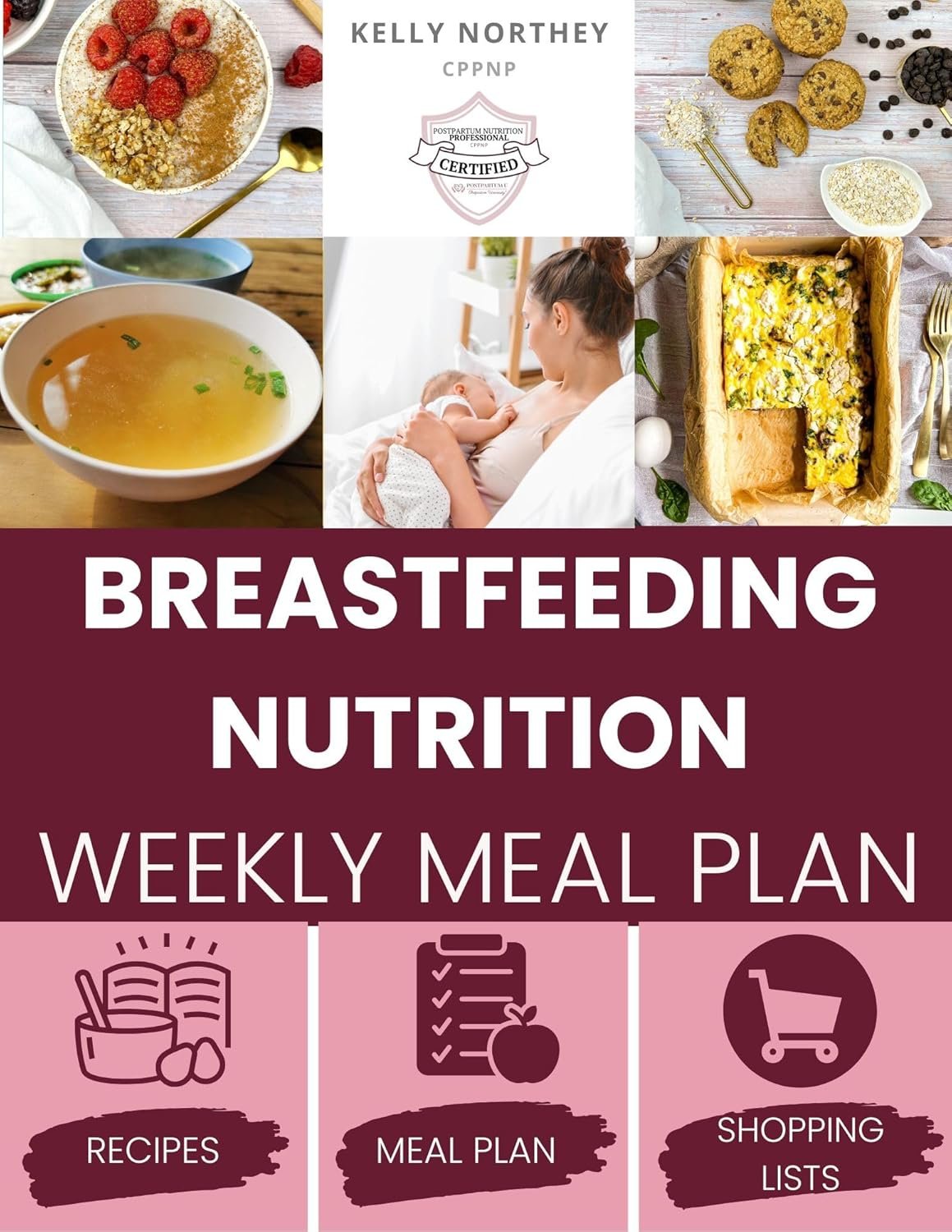
What about traditional postpartum foods?
Gond laddoo, panjiri, ajwain water, methi and dry-fruit preparations are part of many Indian families’ postpartum care. They can absolutely be part of your diet. Two things to keep in mind:
- They are very calorie-dense. One laddoo a day is nourishing; several a day can lead to weight gain that is hard to lose later.
- They are not a complete diet. Scientific evidence that specific foods increase breast milk is limited. Eating enough overall, staying hydrated and feeding regularly matter far more.
A sample postpartum diet chart
An example day for a breastfeeding mother. Your own plan will depend on your delivery, health, weight and any deficiencies.
| Time | What to eat |
|---|---|
| Early morning | Warm water or ajwain water, with a few soaked almonds and walnuts |
| Breakfast | Vegetable daliya or ragi porridge with milk, or 2 stuffed parathas with less oil and a bowl of curd |
| Mid-morning | 1 fruit and a glass of milk or buttermilk |
| Lunch | 2 rotis, dal, green leafy sabzi, rice in small portion, salad and curd |
| Evening | 1 gond laddoo or a handful of roasted makhana, with a warm drink |
| Dinner | Khichdi with vegetables, or roti with paneer, egg or chicken curry and sabzi |
| Bedtime | Warm milk with a pinch of haldi, if you like |
When can I start losing weight?
Give your body time to recover first. Most women can start focusing on gradual weight loss after the first six weeks, once their doctor is happy with their recovery. Crash dieting is a poor idea at any time, and especially while breastfeeding, because it can leave you exhausted and short of the nutrients your baby needs. A slow, steady approach with balanced meals and gentle activity works best.
Small tips for busy new mothers
- Keep healthy snacks within reach: dry fruits, roasted chana, fruit and makhana.
- Ask family to help with meal preparation, especially in the first weeks.
- Drink a glass of water every time you sit down to feed.
- Rest whenever you can. Recovery is nutrition plus sleep.
A postpartum plan made for you
Dt. Alka Pal creates easy-to-cook postpartum plans based on your health profile, reports and breastfeeding needs, with gentle guidance on returning to a healthy weight. Consult at the clinic in Sector-70, Noida, or online from home.
Book your consultationSee the postpartum programme
Pingback: Weight Loss Diet Plan for Indian Women at Home | Dt. Alka Pal